Pilot Plant Projects
A collection of laboratory and bench-scale systems designed for process research, technology validation, and academic instruction.
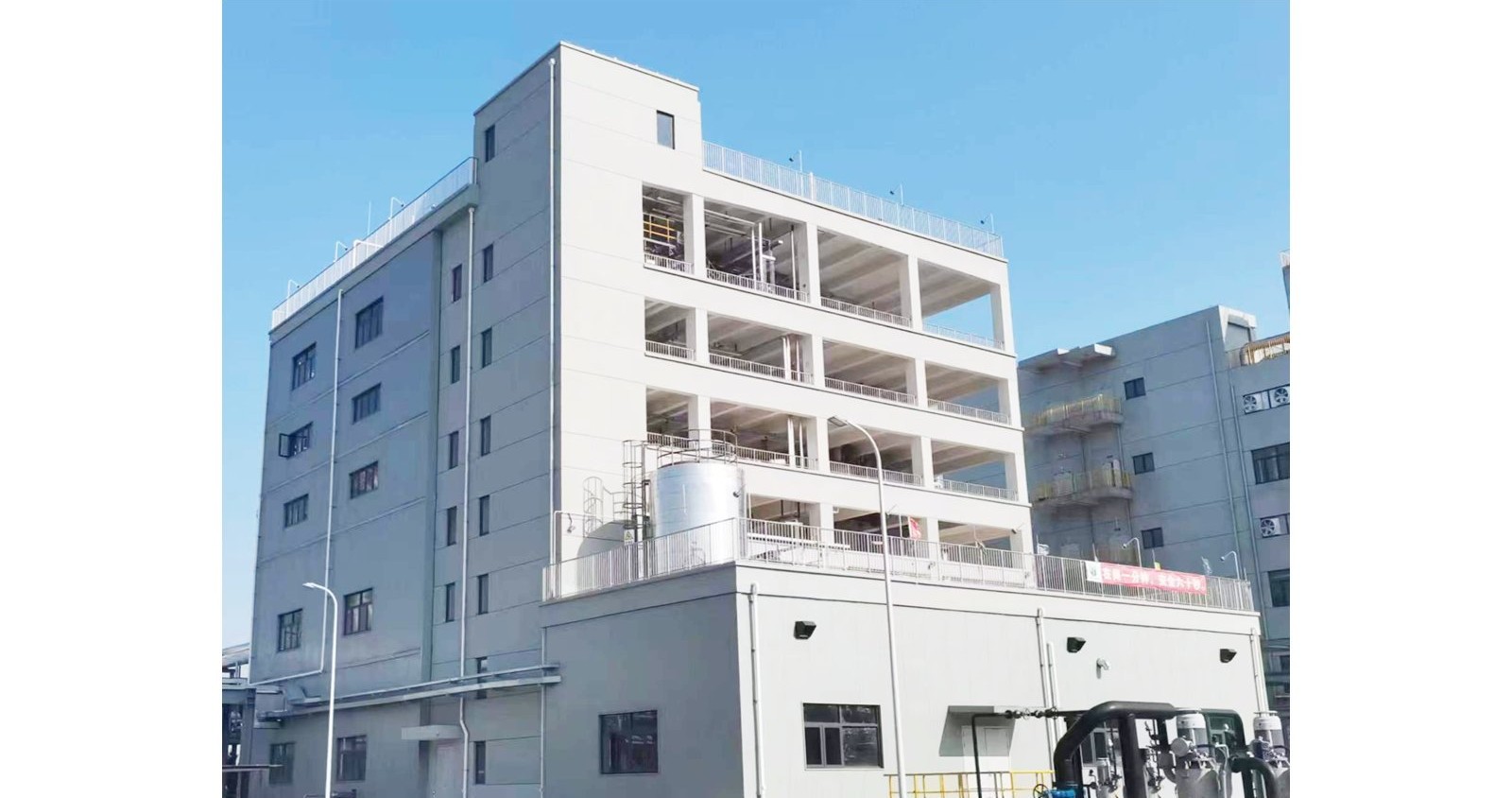
Novel Process and Application for Polycarbonate
This pilot unit is designed to produce bio-based polycarbonate. Isosorbide, diphenyl carbonate (DPC), and a titanium-based catalyst are charged into a reactor and thoroughly mixed under agitation. The reaction mixture is heated to 228–240 °C and maintained under vacuum conditions (<5 kPa) for 5.0–6.5 hours to complete the polymerization, producing bio-based polycarbonate.
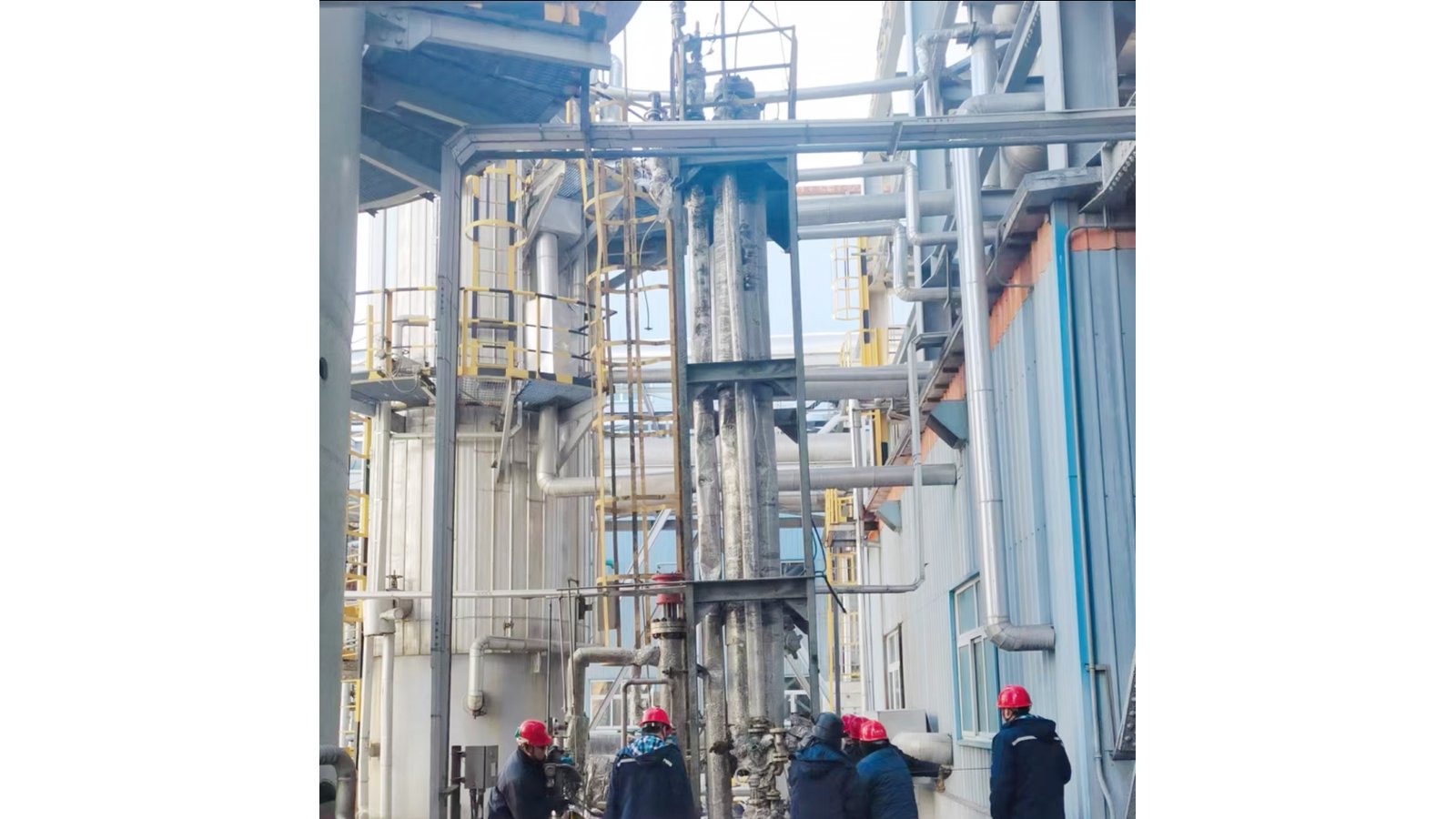
Ethylene Glycol Catalyst Evaluation Pilot Plant
This unit is a dedicated pilot facility for the evaluation of ethylene glycol hydrogenation catalysts. It features a single reactor with a catalyst loading capacity of 30 L. The plant is configured with one feed gas stream (a hydrogen/DMO mixture) and a nitrogen purge stream. The reactor operates at temperatures ranging from 180 to 230 °C (design temperature: 250 °C) and pressures from 2.5 to 3.3 MPaG (design pressure: 3.8 MPaG).
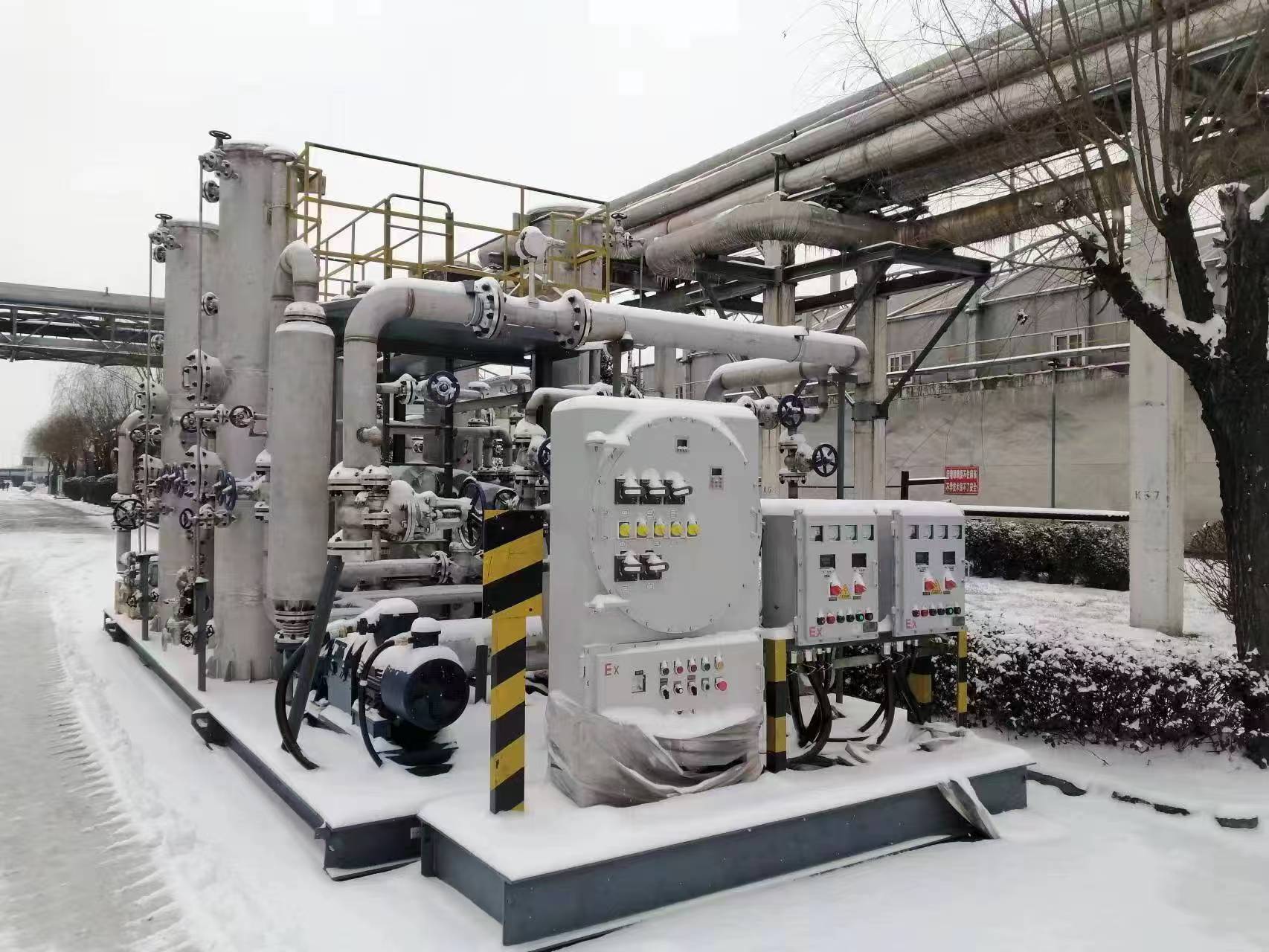
Organic Sulfur Removal Pilot Plant
This unit is a dedicated pilot facility for evaluating adsorbent performance in the removal of organic sulfur from blast furnace gas and coke oven gas. It is equipped with four adsorption towers—three operating in adsorption mode and one in desorption mode—each with an adsorbent loading capacity of 360 L. The plant is configured with two feed gas streams: one for blast furnace gas and one for coke oven gas. The adsorption towers operate at temperatures ranging from 50 to 250 °C (design temperature: 265 °C) and pressures from 15 to 35 kPaG (design pressure: 38 kPaG).
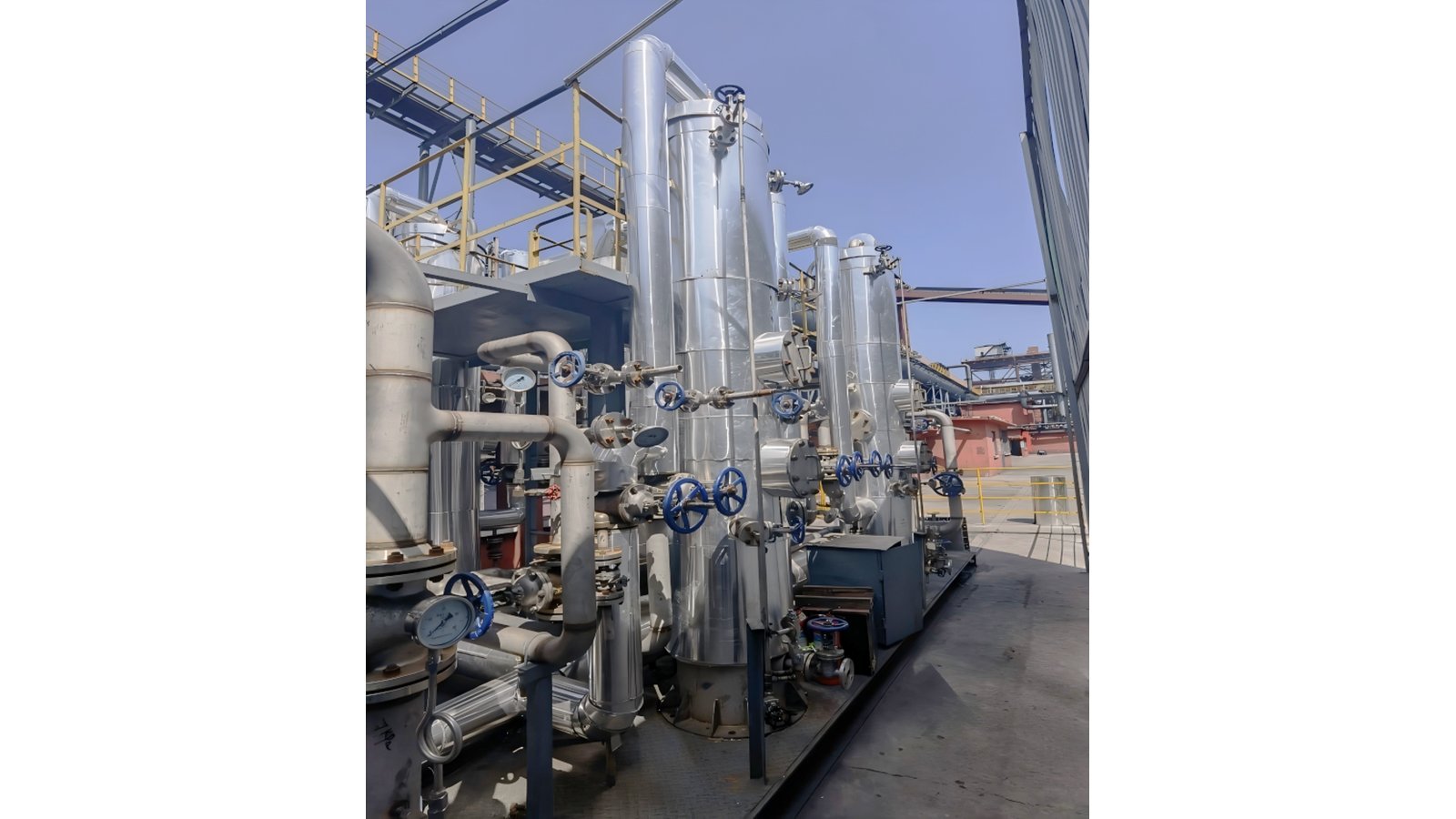
Methanol Catalyst Evaluation Pilot Plant
This unit is a dedicated pilot facility for evaluating methanol synthesis catalysts. It is equipped with two reactors—a tubular heat exchanger reactor and a radial flow reactor—arranged in parallel, each with a catalyst loading capacity of 300 L. The plant is configured with two feed gas streams: circulating gas from the synthesis loop and fresh synthesis gas, allowing precise control of the hydrogen-to-carbon ratio at the reactor inlet. The reactors operate at temperatures ranging from 190 to 290 °C (design temperature: 330 °C) and pressures from 5 to 8 MPaG (design pressure: 8.9 MPaG).
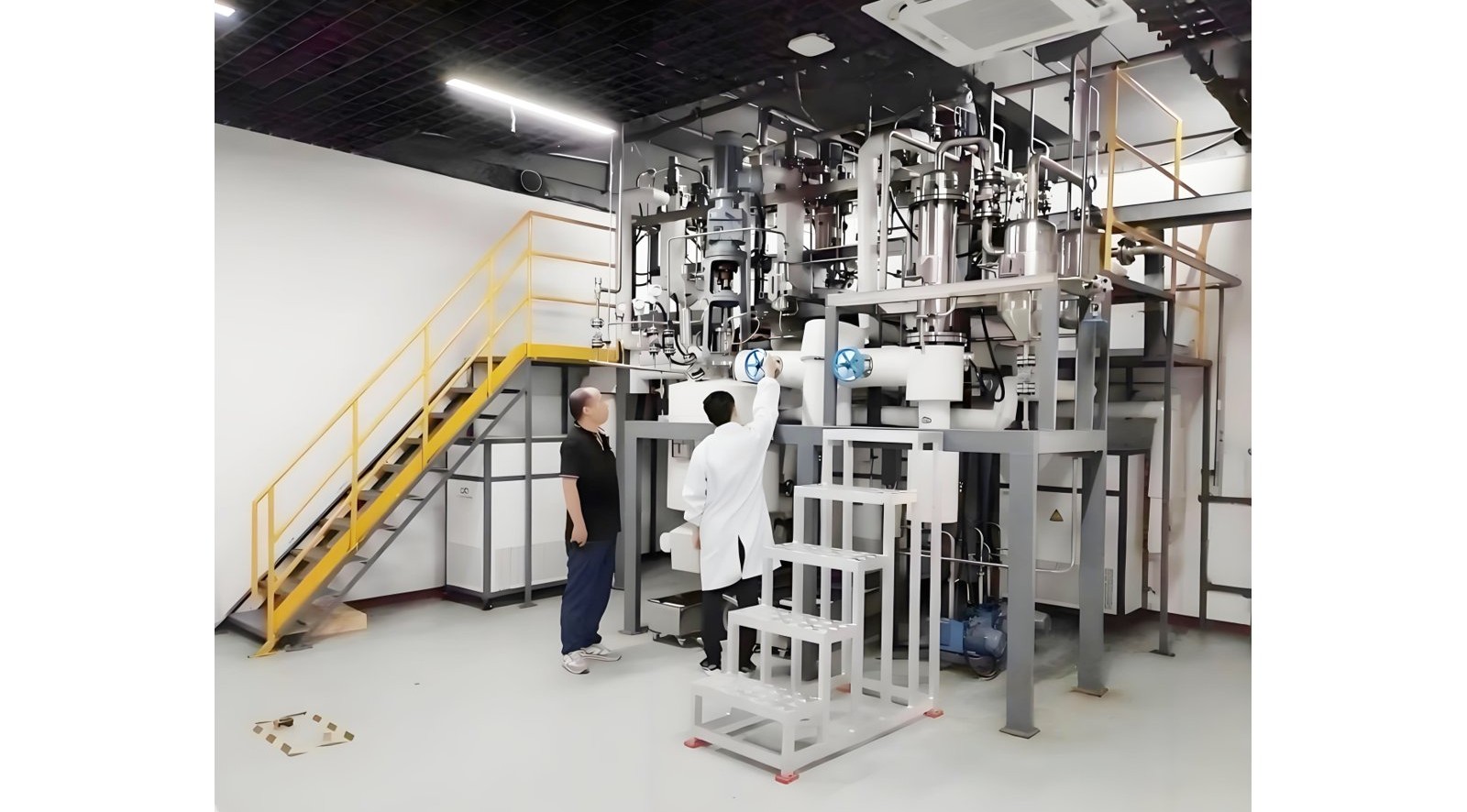
Multi-Functional Polymerization Pilot Plant
This multi-functional polymerization pilot plant is equipped with multiple reactors, designed to replicate and optimize the configuration and operation of full-scale commercial units. It enables efficient scale-up from laboratory and pilot studies to commercial production. The facility offers flexible operation and a comprehensive setup, supporting both single-reactor copolymerization and multi-reactor hybrid polymerization under a wide range of process conditions, while ensuring reliable data collection and validation.
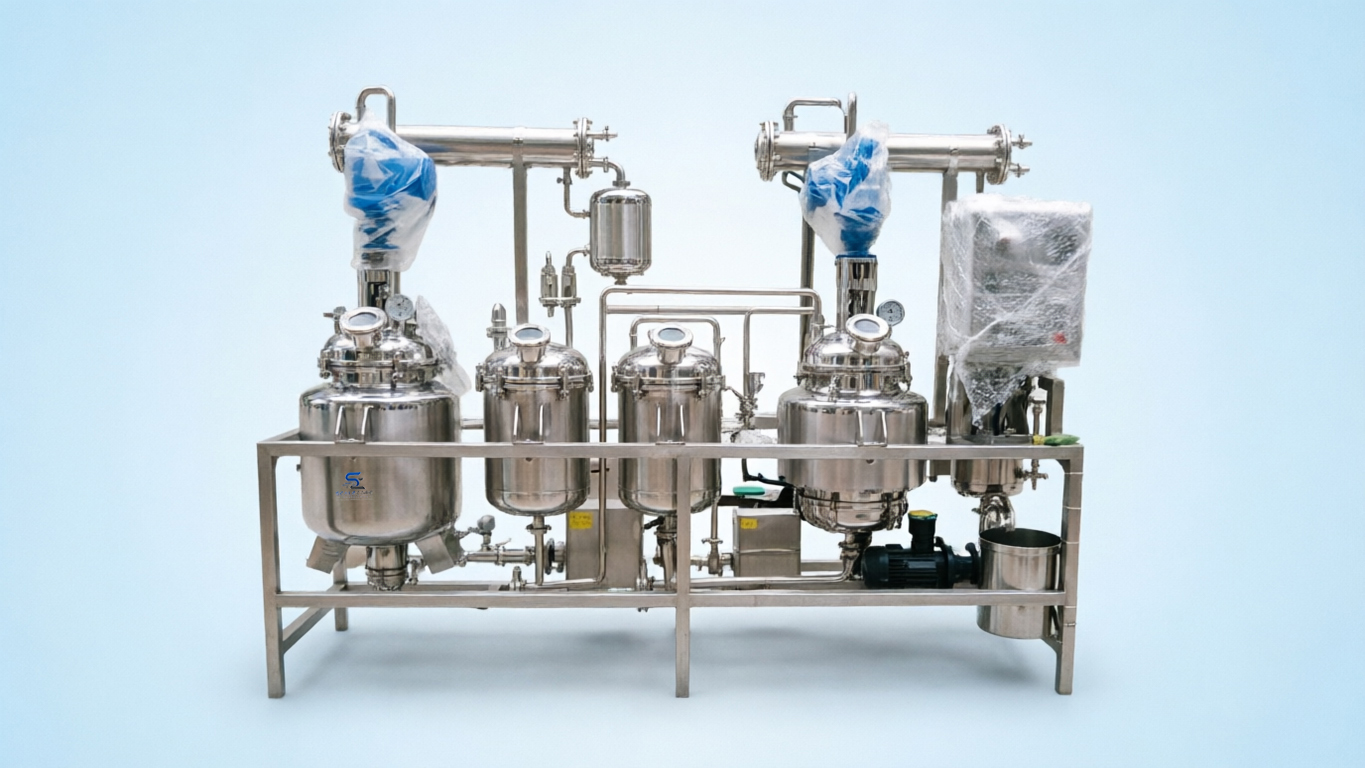
Polymer Material Polymerization Reaction Unit
This equipment is applicable for polymer polymerization reactions. The process adopts two-stage condensation and vacuum pumping with controllable vacuum degree, realizing solvent removal and light/heavy component separation at variable temperatures. Observation windows are installed on the reactor and collection tank to monitor material conditions; operating temperature is kept below the limit of the sealing rings between the observation windows and metal parts.
| Volume | 100 L |
| Materials (Optional) | 304, 316L, C276, Monel 400, TA2, TA8, etc. |
| Operating Temperature | 130~240℃ |
| Heating Mode | Integrated high-low temperature external circulation oil bath |
| Stirring Speed | 30~150 r/min |
| Vacuum Pump Displacement | 4 L/s |
| Raw Material Tank Volume | 80L / 100L |
| Heat Exchange Area | 1 m² |
| Control Mode | Instrument & meter control |
| Process Feature | Two-stage condensation; controllable vacuum pumping; solvent removal & light/heavy component separation under variable temperatures |
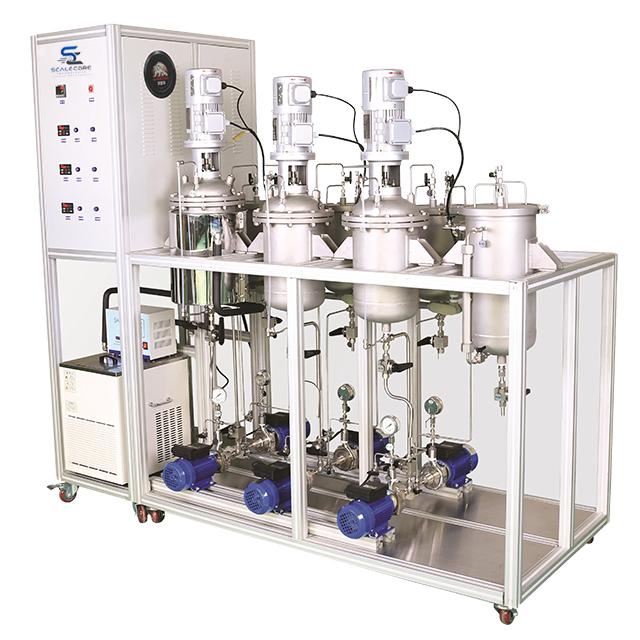
Waste Oil Treatment Unit
The equipment separates and refines mixed materials through multiple processes including temperature rising, vacuum pumping, distillation, pressure filtration and condensation collection, enabling the step-by-step recovery and reuse of each component of waste oil.
| Volume | 30L / 50L / 100L |
| Operating Temperature | 260℃ |
| Materials (Optional) | 304, 316L, C276, Monel 400, TA2, TA8, etc. |
| Heating Mode | External circulation oil bath heating |
| Working Pressure | Atmospheric pressure |
| Agitation Type | Mechanical stirring |
| Stirring Speed | 300~500 r/min (Customized for high-viscosity materials) |
| Main Vessel Material | 316L / HC276 |
| Discharge Pump | Diaphragm pump / Magnetic pump / Vacuum pump |
| Discharge Flow Rate | ≥1 L/min, supports high-temperature discharging |
| Vacuum System | Precise vacuum gauge display, vacuum degree adjustable via valves |
| Process Feature | Semi-continuous tank reactor process |
| Control Mode | PLC (Remote computer control available) |
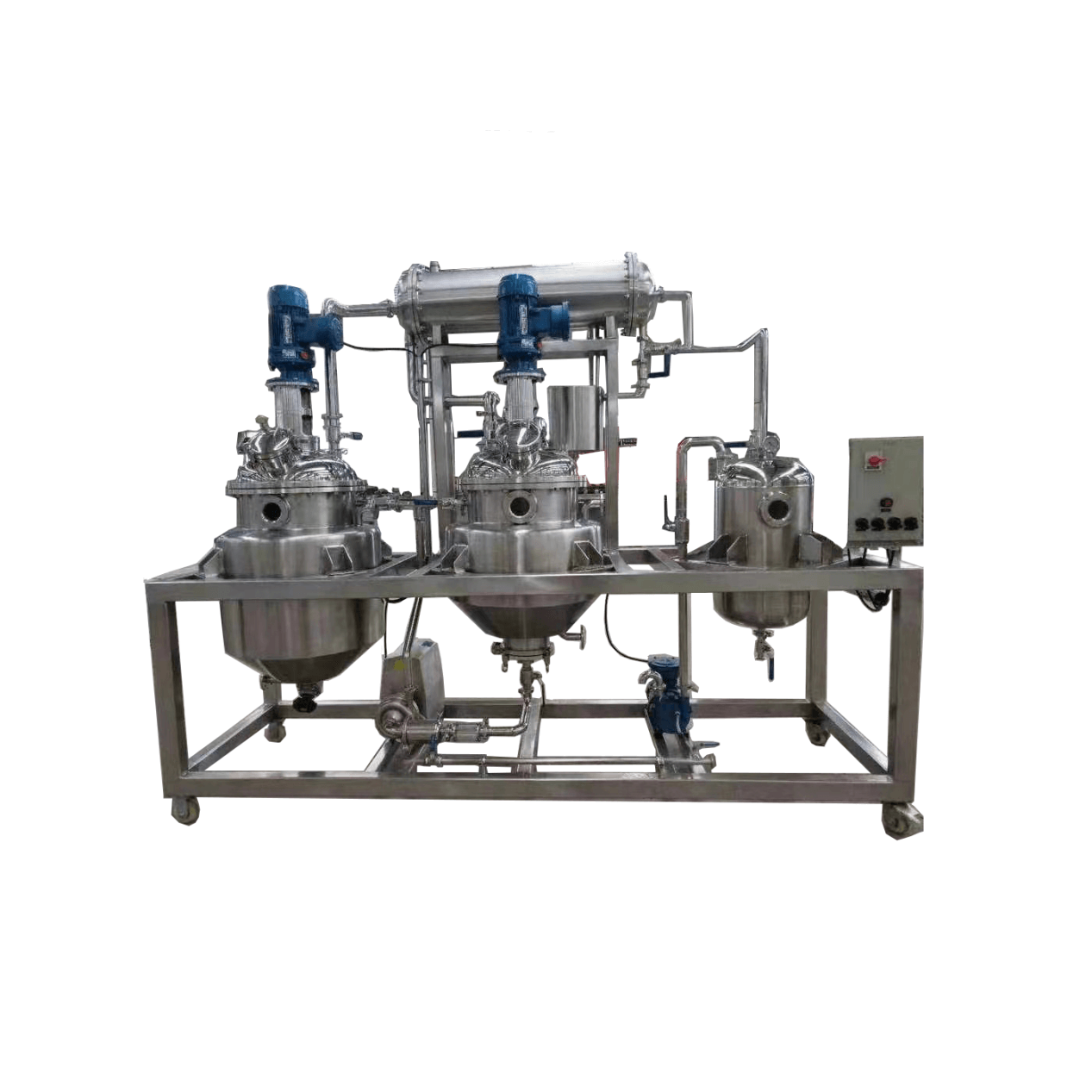
Vacuum Distillation Unit
The vacuum distillation unit is mainly composed of three parts: a distillation device, a protection and pressure measurement device, and an air extraction and pressure reduction device.
| Volume | 30L / 50L / 100L / 200L |
| Operating Temperature | 80~220℃ |
| Materials (Optional) | 304, 316L, C276, Monel 400, TA2, TA8, etc. |
| Heating Mode | External circulation oil bath heating |
| Working Pressure | Negative pressure |
| Agitation Type | Conical wall-scraping stirring |
| Stirring Speed | 300~500 r/min (Notify in advance for high-viscosity materials) |
| Main Vessel Material | 316L / HC276 |
| Discharge Pump | Diaphragm pump / Magnetic pump / Vacuum pump |
| Discharge Flow Rate | ≥1 L/min, supports high-temperature discharging |
| Vacuum System | Precise vacuum gauge display, vacuum degree adjustable via valves |
| Condenser Heat Exchange Area | 0.2~2 m² (Selected according to working conditions) |
| Separation & Collection | Light/heavy fraction collection, single-stage or two-stage separation (with controllable vacuum degree) |
| Process Feature | Semi-continuous tank reactor process |
| Control Mode | Instrument & meter control (PLC upgrade available) |
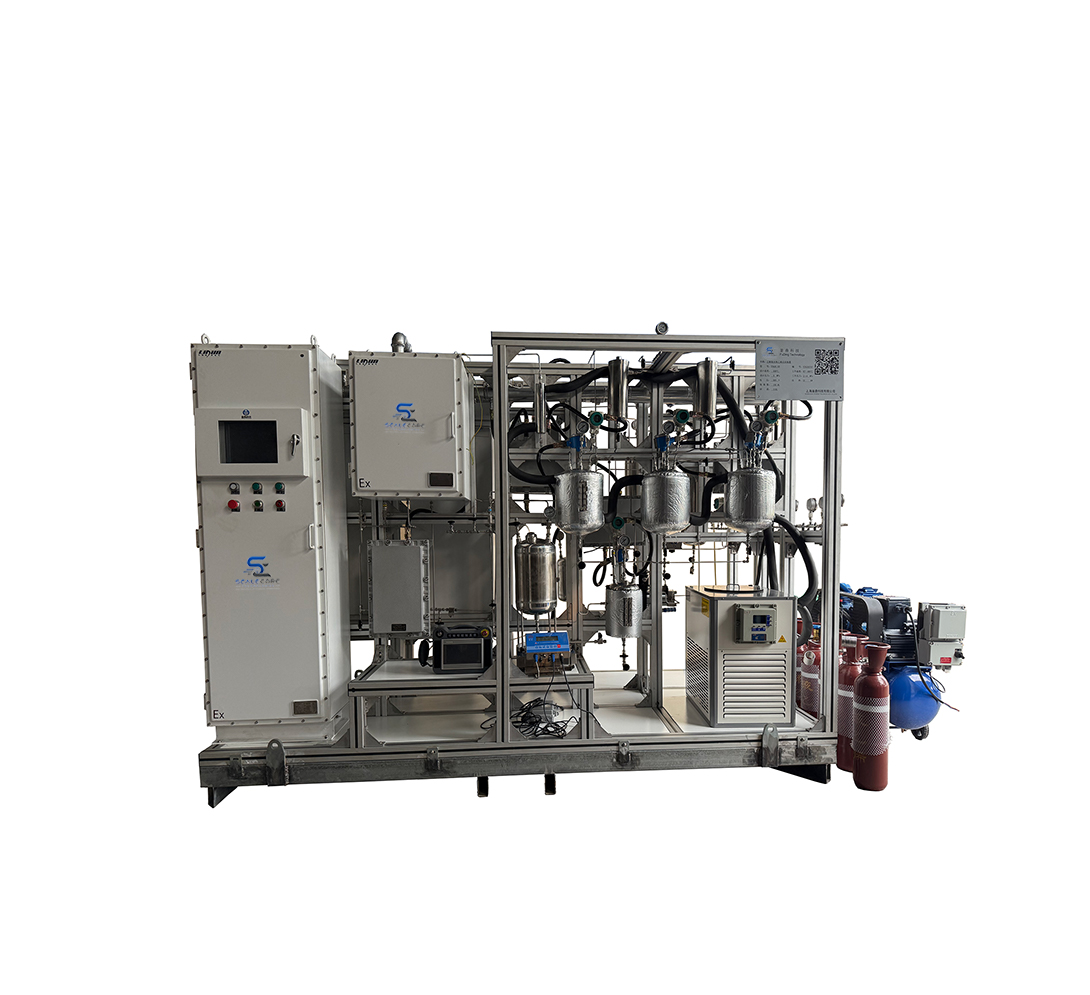
Ethanol Dehydration to Ethylene Unit
Material flow rates and system temperature of the ethanol dehydration to ethylene unit are regulated by a PLC control system. To boost system stability and measurement precision, gas flow, temperature, and other parameters are automatically monitored and displayed via instruments. The system integrates malfunction alarm and automatic risk mitigation functions to guarantee safe experimental operation: audible and visual alarms activate once the catalyst bed temperature exceeds the warning threshold, and the system automatically cuts power and shuts down related circuits when the temperature hits the upper safety limit.
| Model | FDGDC-SN |
| Operating Reaction Temperature | RT ~ 400 °C |
| Design Temperature | 500 °C (Electric tube furnace heating, IIBT4 explosion-proof electrical box) |
| Design Reaction Pressure | 6 MPa |
| Operating Reaction Pressure | 2–4 MPa |
| Maximum Pressurization | 8.5 MPa |
| Catalyst Loading Volume | 100 mL per reactor (2 reactors in total) |
| Connection Mode | Series connection or independent operation |
| Catalyst Shape & Size | 2 mm extrudates or 2 mm spheres; catalyst tray covered with Φ1.5 mm perforations |
| Reactor Material | 316L stainless steel |
| Vacuum Displacement System | Pump speed 2 L/S, ultimate vacuum ≤6 Pa, oil-sealed, CT4 explosion-proof motor |
| Auxiliary Configurations | Nitrogen purging & pipeline replacement system; 8 ethylene gas cylinders (8 L each, manganese steel or chrome-molybdenum steel) |
| Overall Equipment Dimension | L 2500 mm × W 800 mm × H 2000 mm |
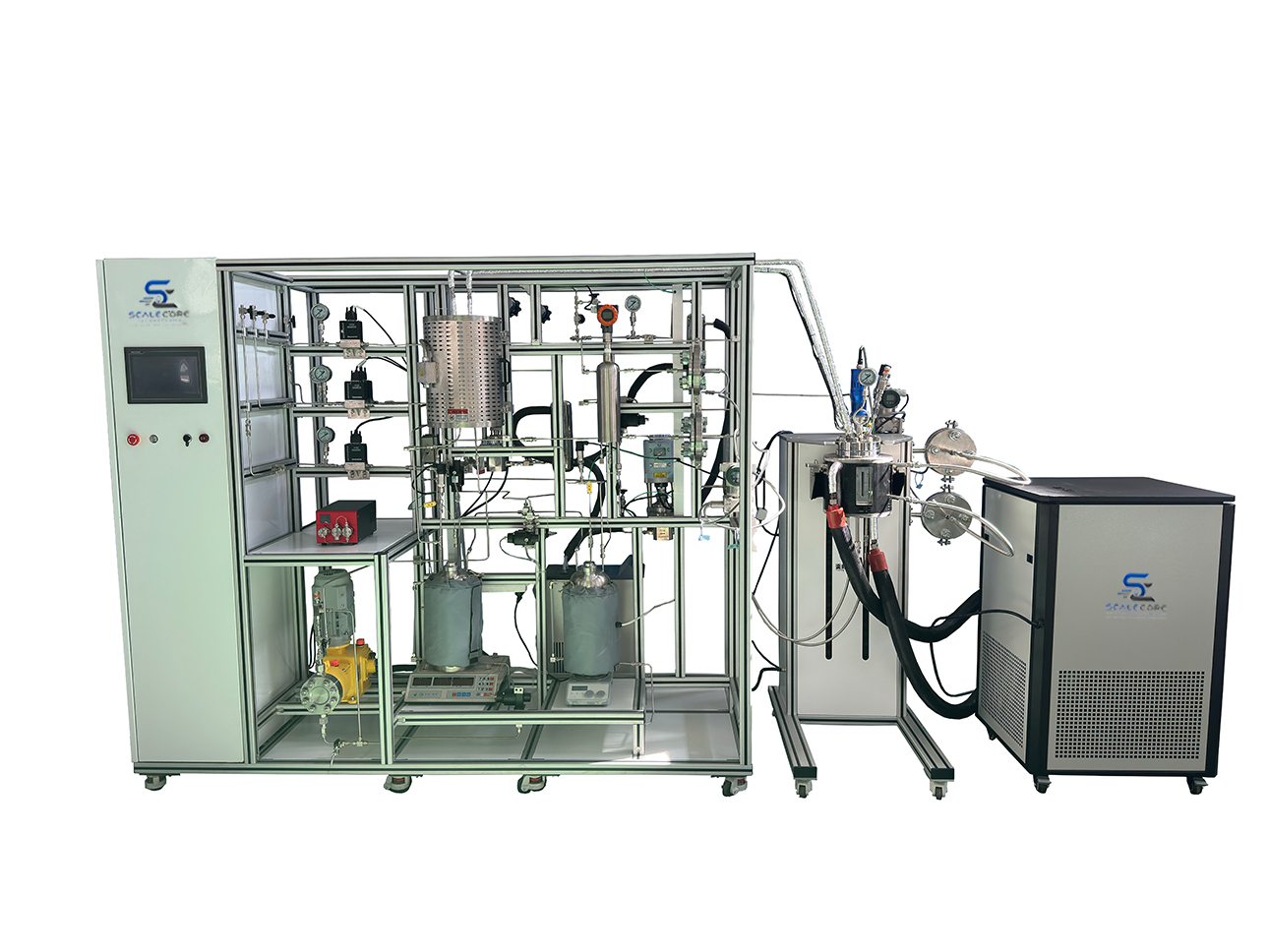
Continuous Slurry Bed Reactor
A slurry bed reactor is loaded with solid particulate catalysts and is divided into an upper liquid-phase reaction zone and a lower solid bed layer, with agitators, heating/cooling exchangers and inlet/outlet piping installed in the upper zone. Solid catalyst particles are suspended in liquid reactants; reactants reach the catalyst surface via liquid-phase mass transfer to drive the reaction, while the built-in agitator homogenizes the mixture for full contact between reactants and catalyst. Reaction temperature and pressure have the most significant impact on kinetics and selectivity, while stirring speed and catalyst dosage govern mass transfer efficiency and contact between reactants and catalyst particles.
| Operation Type | Continuous Flow |
| Reactor Volume | 1000 mL |
| Design Temperature | 200 °C |
| Operating Temperature | RT ~ 160 °C |
| Design Pressure | 10 MPa |
| Operating Pressure | 0–6 MPa |
| Reactor Material | Hastelloy C276 |
| Heating Method | Jacket oil bath heating |
| Gas Paths | 3 paths (H₂, nitrogen oxides, nitrogen) |
| Liquid Paths | 2 paths |
| Liquid Pump Range | 50 mL/min |
| Gas Flow Meter Ranges | 10 NL/min, 500 mL/min |
| Control System | PLC Control |
| Application | Benzene hydrogenation to cyclohexene |
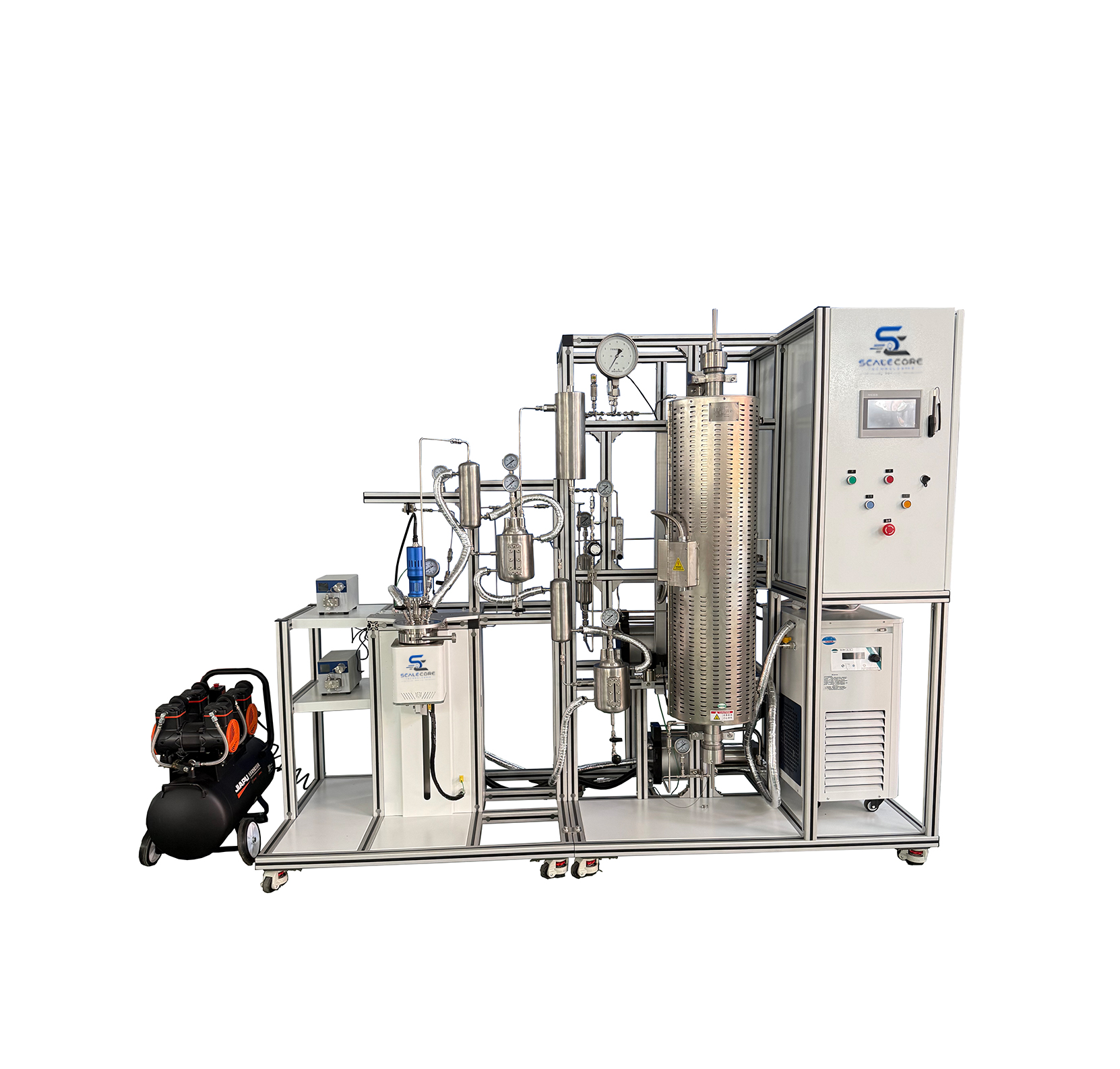
Fixed-Bed Circulation Reactor
The structural design of the fixed-bed circulation reactor fully meets the demands of continuous reaction. Its core component is a catalyst-filled bed, which can adopt either axial or radial flow configurations according to reaction characteristics to maximize mass transfer efficiency between feed materials and catalysts. The reactor shell is fabricated from high-temperature and corrosion-resistant materials, paired with precise temperature control assemblies such as jacket heating and internal coil heat exchange to maintain a stable thermal environment. The reactor also features low pressure drop and uniform residence time distribution, improving reaction selectivity and product purity, and is especially suited to processes with long catalyst service life and moderate reaction rates. The system consists of five modules: liquid feeding unit, reaction unit, cooling & separation unit, pressurization unit, and control unit.
| Model | FDFB-0.5L*GDC |
| Operation Type | Continuous Flow |
| Reactor Material | 316L stainless steel |
| Design Temperature | 200 °C |
| Operating Temperature | RT ~ 150 °C (Accuracy: ±1°C) |
| Design Pressure | 2 MPa |
| Operating Pressure | 1 MPa |
| Gas Flow Rate | 0–10 mL/min |
| Catalyst Loading Volume | 500 mL |
| Reaction Tube Dimension | 50 mm × 1 mm |
| Gas Channels | 2 paths |
| Temperature Control Zones | Six-stage temperature control |
| Control System | PLC control |
| Application | Catalyst performance screening & evaluation |
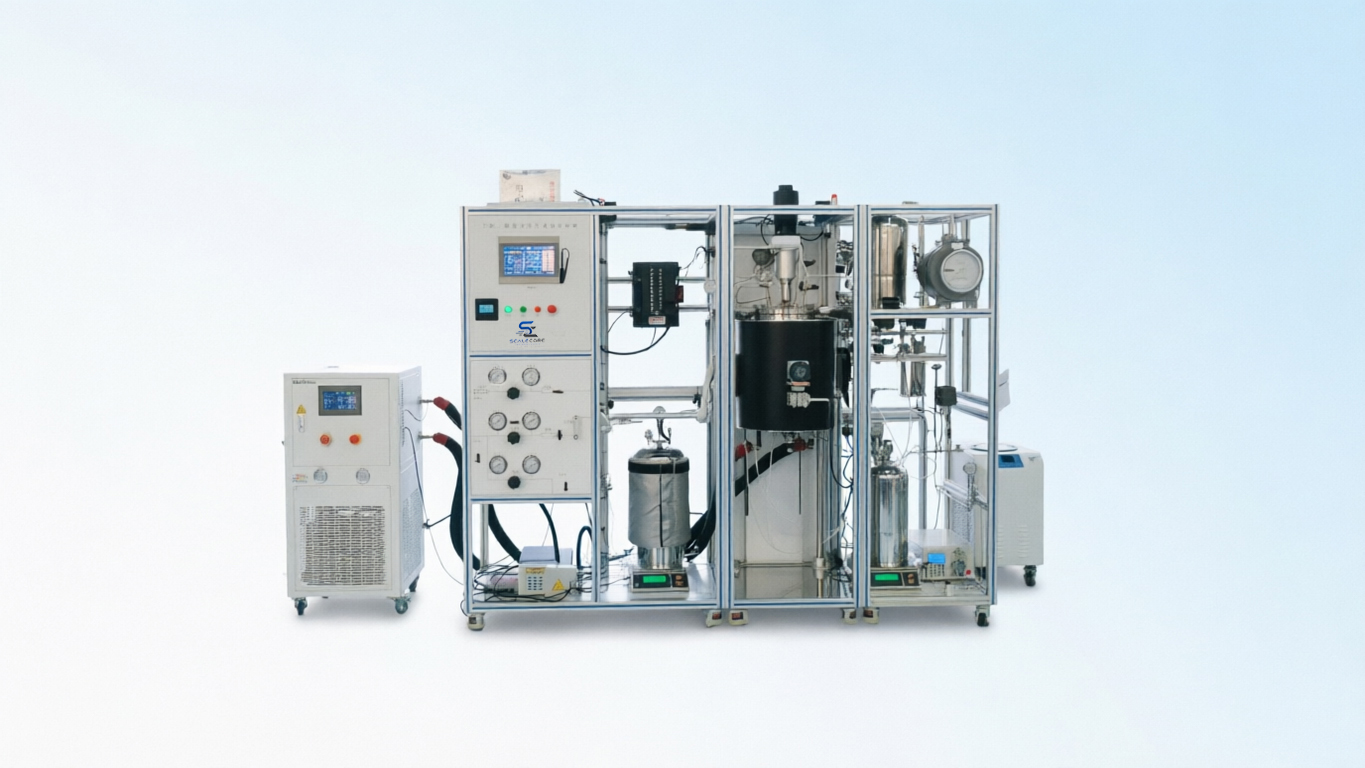
Ethynylation Catalyst Evaluation Unit
The ethynylation catalyst evaluation unit supports precise feeding via two gas paths and one liquid path for the performance evaluation of ethynylation catalysts. It is applicable to catalyst screening and process development, featuring accurate feeding, precise temperature control, and high safety performance.
| Standard Material | 316L stainless steel |
| Optional Materials | 304, 316L, C276, Monel 400, TA2, TA8, etc. |
| Design Temperature | 150℃ |
| Design Pressure | 0.5 MPa |
| Operating Temperature | 98℃ |
| Operating Pressure | Atmospheric pressure |
| Temperature Control Precision | ±1℃ |
| Flow Control Precision | ±1% F.S. (Full Scale) |
| Maximum Acetylene Feed Rate | ≤300 NL/h |
| Maximum Formaldehyde Solution Feed Rate | ≤2 L/h |
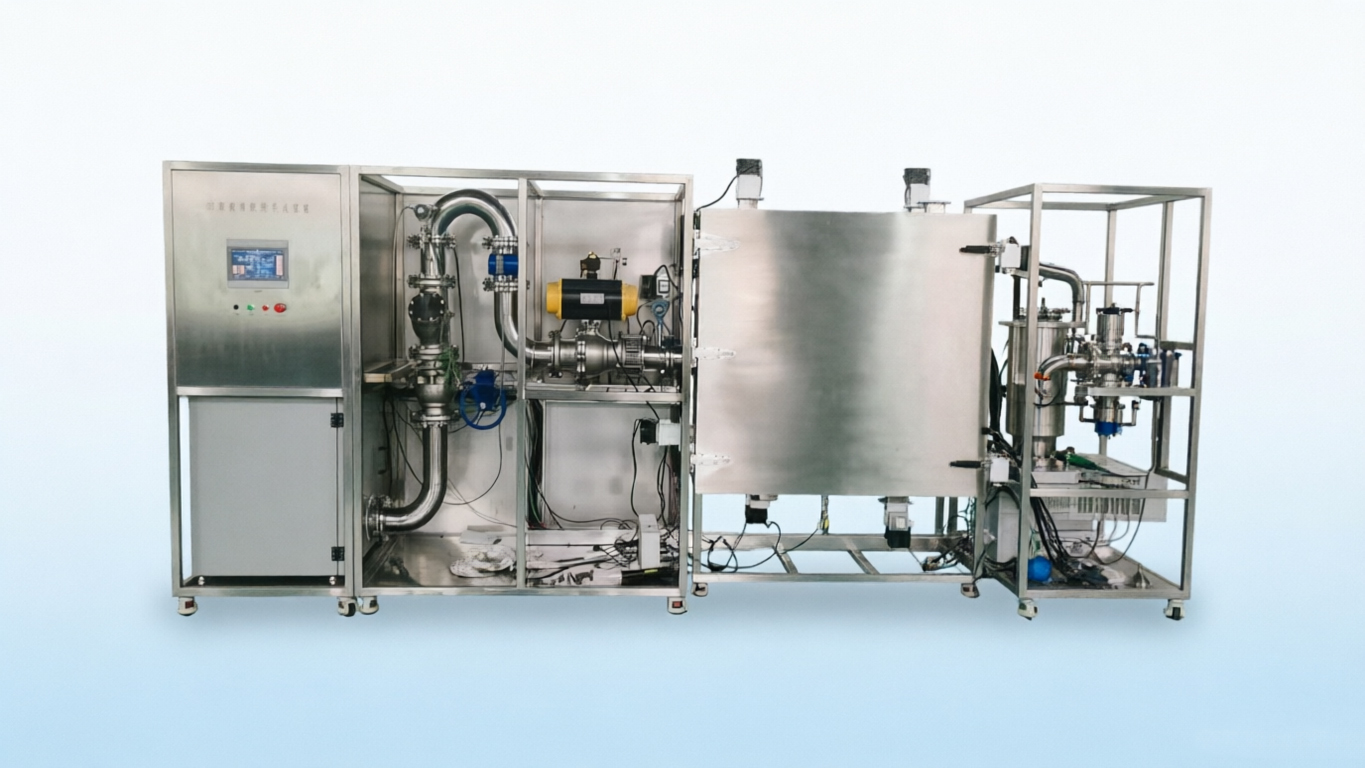
Microwave-Ultrasonic Catalytic Reaction System
The microwave-ultrasonic catalytic reaction system integrates microwave heating and ultrasonic stirring. It is applicable to catalyst performance testing and features precise temperature control and dual safety protection.
| Catalyst Loading Capacity | 12 kg |
| Constant Temperature Section Length | 200~300 mm |
| Bed Temperature Deviation | ±1℃ |
| Materials | PTFE (Polytetrafluoroethylene) / Quartz |
| Design Temperature | 120℃ |
| Design Pressure | 0.1 MPa |
| Gas Feed Channels | 1 channel |
| System Power Supply | 30 kW (380V / 50Hz) |
| Grounding Resistance | <4 Ω |
| Safety Control | Dual hardware & software over-temperature and over-pressure protection |
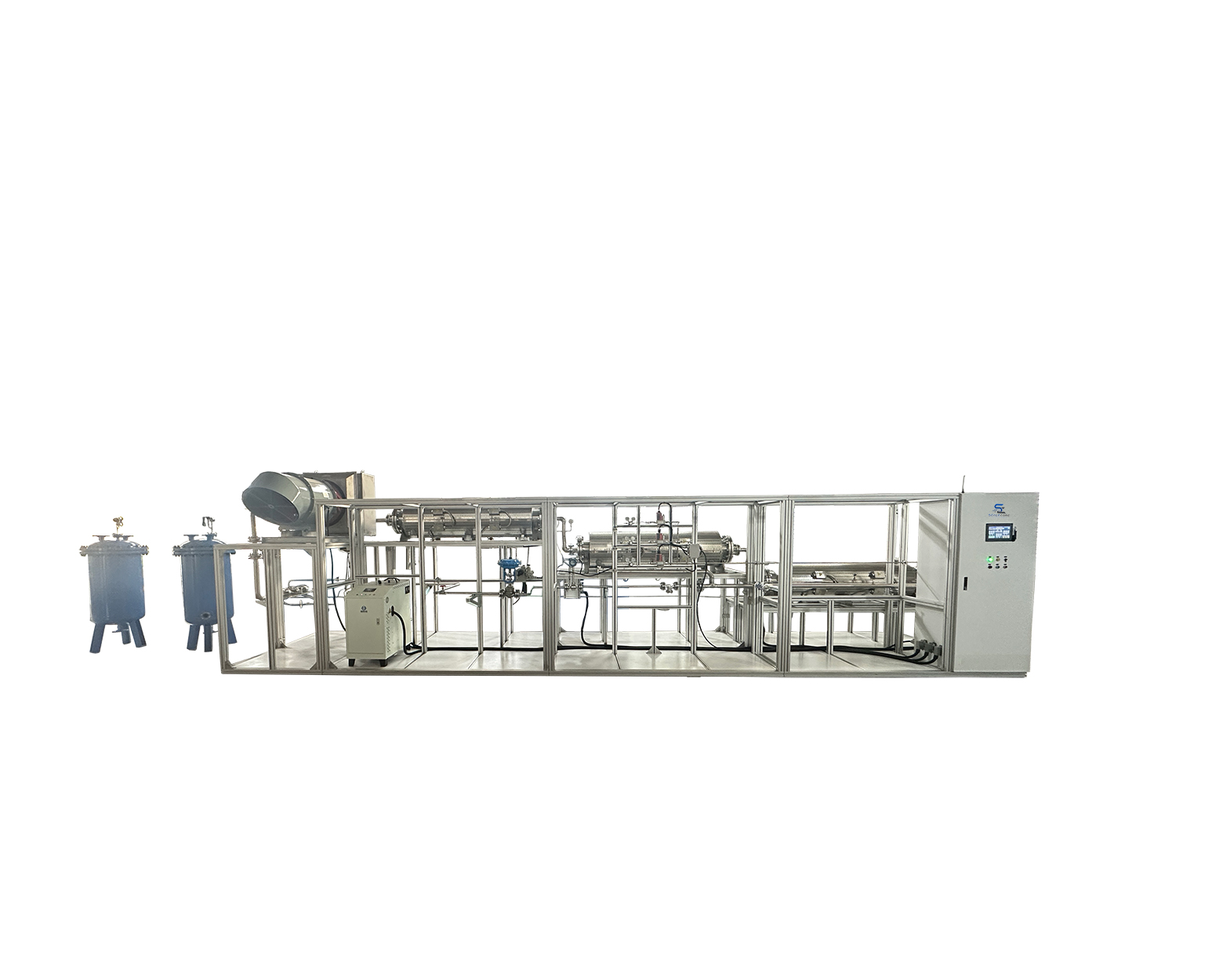
Flue Gas Denitrification & Desulfurization Catalyst Evaluation Unit
This unit is used to test the removal efficiency of sulfur oxides (SOₓ) and nitrogen oxides (NOₓ), byproduct control, and system stability of waste gas treatment technologies including catalysis, adsorption, wet and dry processes. It is designed to assess catalyst performance under varying temperatures and pressures, shorten testing cycles, and improve experimental efficiency, and is widely applied in power plants and petrochemical industries.
| Reactor Type | Continuous Flow |
| Heating Mode | Industrial electric furnace heating |
| Catalyst Loading Chamber Size | 150 mm × 150 mm × 600 mm (L × W × H) |
| Design Temperature | 850 °C |
| Maximum Operating Temperature | 800 °C |
| Operating Pressure | Atmospheric pressure |
| Total Gas Flow Rate | 250 m³/h |
| Gas Channels | 5 paths (NO, NH₃, SO₂, O₂, H₂O) |
| Overall Equipment Dimension | 8000~10000 × 2000 × 2000 mm |
| Control System | Integrated PLC control |
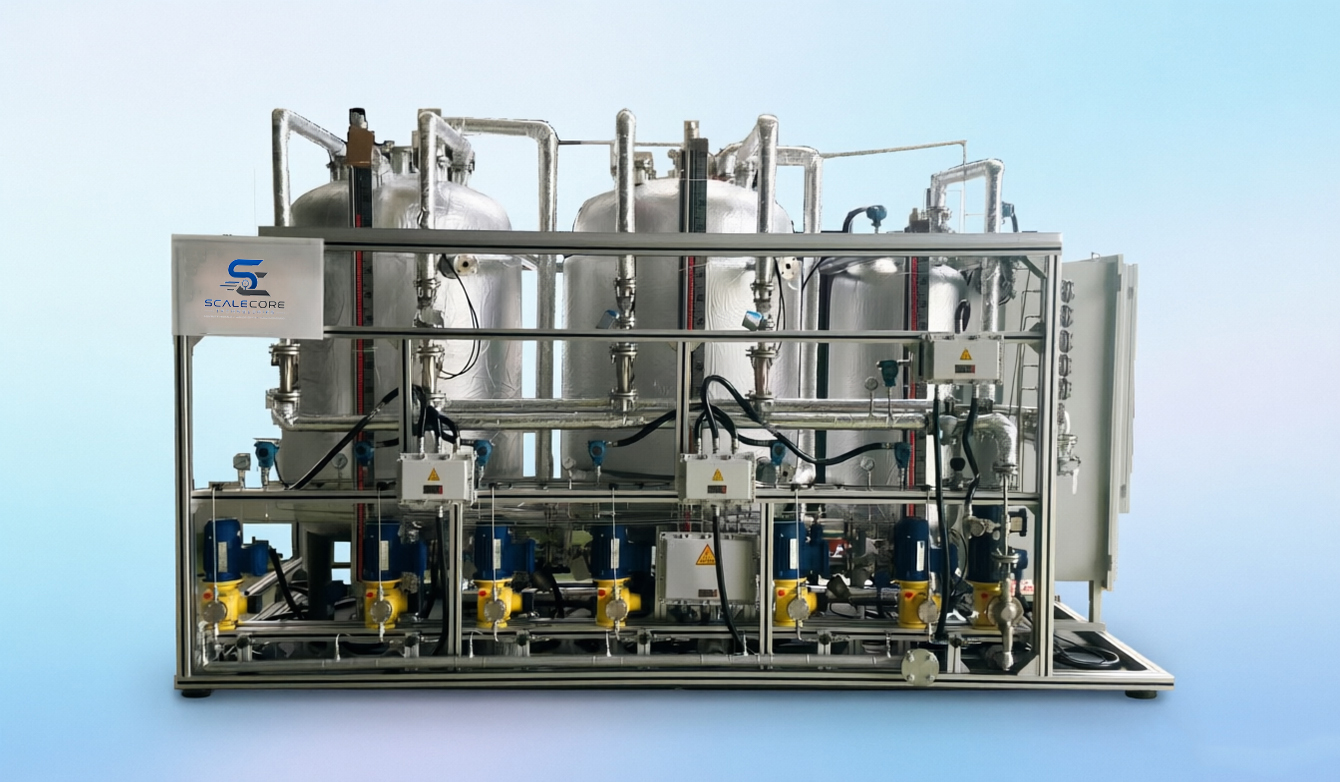
Full Explosion-Proof Pilot Liquid Conveying System
This equipment is a high-pressure system designed for conveying various liquids and is equipped with explosion-proof protection measures.
| Volume | 300L / 500L / 1m³ |
| Operating Temperature | -10~85℃ |
| Materials (Optional) | 304, 316L, C276, Monel 400, TA2, TA8, etc. |
| Working Pressure | 3 MPa |
| Applicable Media | Carbon tetrachloride, sterilizing solvents, aqueous solutions, etc. |
| Explosion-Proof Grade | BT4 |
| Control Mode | Full explosion-proof cabinet + Siemens PLC |